EN

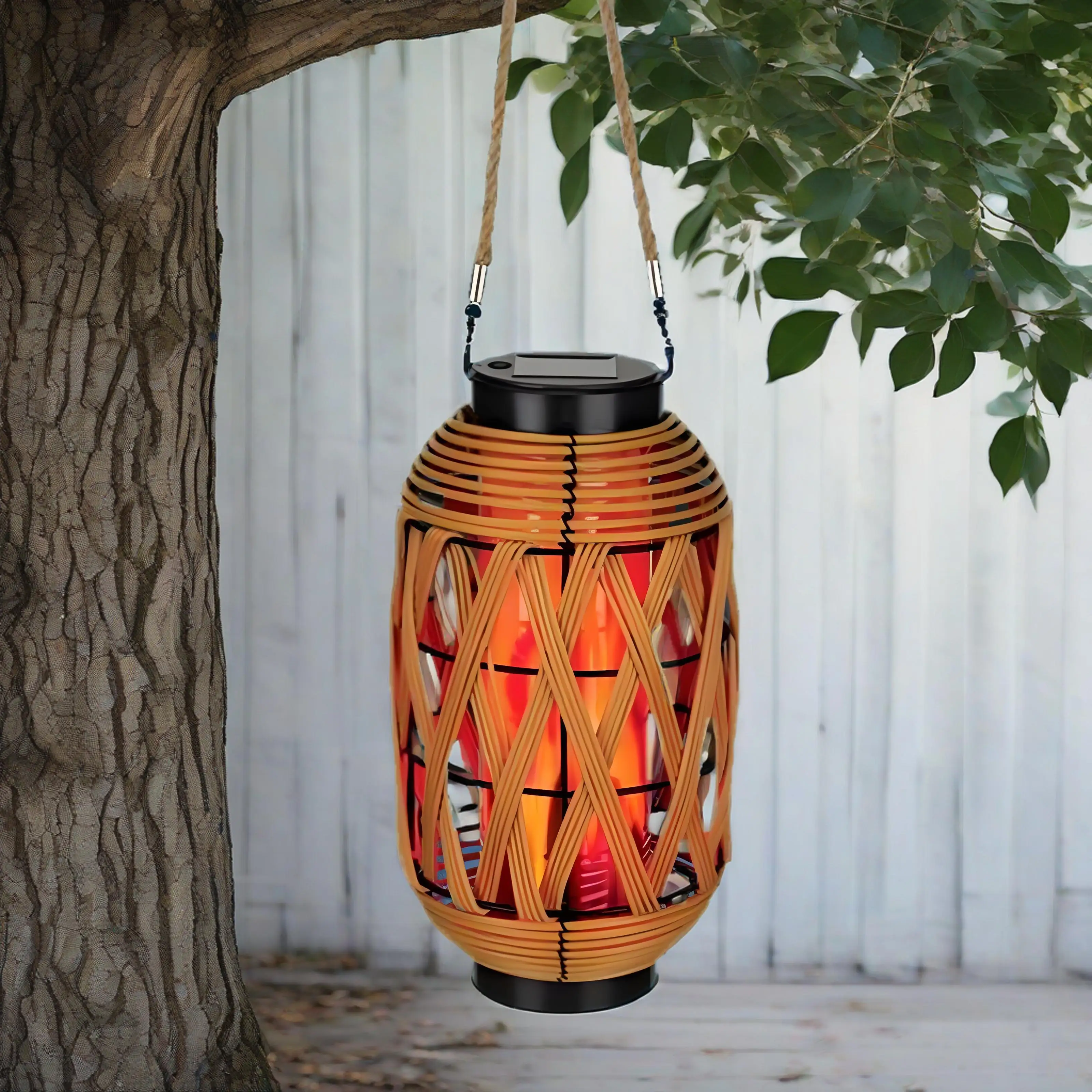
Ingress protection (IP) validation is crucial for outdoor solar lanterns, ensuring that products can withstand environmental factors such as dust and moisture. This article will provide a comprehensive guide for manufacturers and buyers on how to build a reliable test plan for outdoor solar lanterns, addressing key concerns such as compliance, product longevity, and performance under various weather conditions. By understanding the importance of ingress protection ratings and how to effectively validate them, buyers can make informed decisions that lead to successful procurement and installation of solar lanterns.
Understanding Ingress Protection Ratings for Solar Lanterns
Ingress Protection (IP) ratings provide a standardized measure of how well a product is protected against dust and moisture. For outdoor solar lanterns, a minimum IP65 rating is generally recommended, which signifies that the product is completely dust-tight and can withstand water jets from any direction. Understanding these ratings is essential for buyers who want to ensure their products can endure outdoor conditions without compromising performance.
When assessing solar lanterns, consider not only the IP rating but also the materials used in their construction. High-quality plastics and metals can enhance durability, while improper seals or low-grade materials can lead to failures over time. For instance, lanterns with weak seals may allow moisture ingress, leading to corrosion of internal components, which can ultimately affect light output and battery performance.
Overall, confirming that the solar lanterns meet or exceed the necessary IP ratings is vital for ensuring product reliability and longevity.
A Guide for Wholesale Buyers
Wholesale buyers should approach the procurement of outdoor solar lanterns with a clear understanding of their requirements. Begin by identifying the specific application and environmental conditions where the lanterns will be used. This can significantly impact the choice of lantern design and specifications.
When requesting quotes, provide detailed information including:
Model and design: Specify the desired aesthetic and functionality.
Material preferences: Detail any requirements for corrosion resistance or UV stability.
IP rating: Confirm the minimum acceptable rating for your application.
Quantity: Indicate the volume of lanterns needed to assess pricing tiers.
Customization requirements: If specific branding or design modifications are needed, include these details.
By providing comprehensive information, buyers can receive tailored quotations that better align with their needs, streamlining the purchasing process.
Common Problems with Ingress Protection in Solar Lanterns
Ingress protection failures can lead to significant issues in decorative solar lanterns, often stemming from inadequate testing or poor manufacturing practices. Common problems include:
Water damage: Lanterns that fail to meet IP standards may allow water ingress, causing short circuits and battery failure.
Dust accumulation: If a product lacks adequate sealing, dust can enter and interfere with electronic components, reducing performance.
Material degradation: Low-quality materials may degrade faster under UV exposure or harsh weather, leading to shorter product lifespans.
To mitigate these issues, buyers should request documentation of testing processes and certifications from suppliers. This includes evidence of environmental testing, which should be performed according to industry standards, such as IEC 60529.
Installation Guidelines for Ingress Protection Compliance
Proper installation of solar lanterns is crucial for maintaining their ingress protection integrity. Here are key guidelines for buyers and installers:
Location selection: Choose installation sites that minimize exposure to direct water flow, such as under eaves or awnings, while still allowing for maximum sunlight exposure.
Sealing and mounting: Ensure that all mounting hardware is compatible and that seals are intact before installation. This includes checking for proper alignment and secure fittings.
Regular inspections: After installation, conduct periodic checks to ensure that the lanterns maintain their protective features. Look for signs of wear, corrosion, or any detachment of seals.
By following these installation guidelines, buyers can enhance the longevity and reliability of their solar lanterns, ensuring they function as intended in outdoor settings.
Evaluating Supplier Certifications for Solar Lanterns' Protection Standards
When sourcing outdoor solar lanterns, evaluating supplier certifications is essential for ensuring product quality and compliance with ingress protection standards. Key certifications to look for include:
CE and RoHS: These certifications ensure that the products meet EU safety and environmental requirements.
IP Rating Certification: Request verification of the IP rating from recognized testing laboratories to confirm that the products have undergone rigorous testing.
BSCI Certification: This indicates that the supplier adheres to ethical manufacturing practices, which can be a reflection of overall product quality.
Additionally, buyers should inquire about the supplier's internal quality control processes. A supplier with a robust quality management system is more likely to deliver products that consistently meet or exceed specifications.
By carefully evaluating supplier certifications and quality systems, buyers can make informed decisions that reduce risk and enhance the reliability of their solar lantern investments.