EN
EN

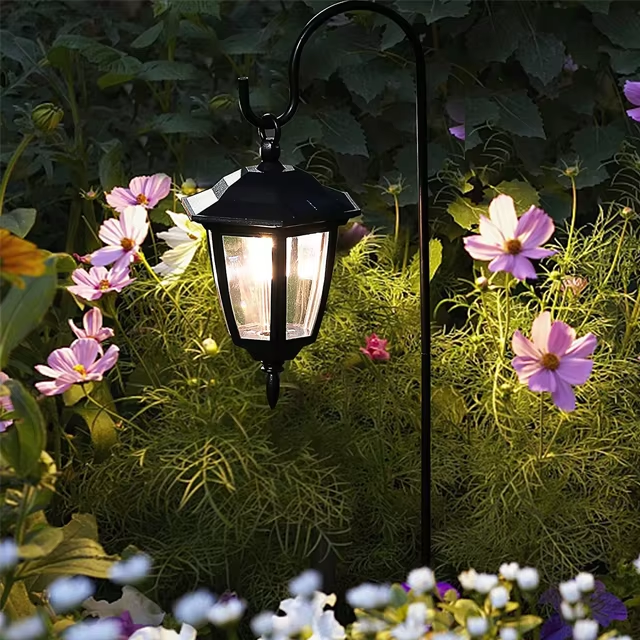
Πώς Μετατρέπουν τα Ηλιακά Πάνελ το Φως του Ήλιου σε Χρησιμοποιήσιμη Ενέργεια για Κουδούνια
Ο Ρόλος των Φωτοβολταϊκών Κυττάρων στην Έναρξη της Διαδικασίας Φόρτισης
Τα ηλιακά κουδουνίστρια λειτουργούν χρησιμοποιώντας μικρές ηλιακές πλάκες, τις οποίες αποκαλούμε φωτοβολταϊκά κελιά, για να μετατρέψουν το φως του ήλιου σε ηλεκτρική ενέργεια. Τα βασικά εξαρτήματα κατασκευάζονται από πυρίτιο, το οποίο λειτουργεί ως ημιαγωγός. Όταν το φως του ήλιου πέφτει σε αυτές τις πλάκες, προκαλεί την απελευθέρωση ηλεκτρονίων εντός τους, δημιουργώντας ό,τι ονομάζεται ορθόρροπο ρεύμα. Αυτό το ρεύμα στη συνέχεια φορτίζει μια ενσωματωμένη μπαταρία μέσα στο ίδιο το κουδουνίστρι. Μόλις έρθει η νύχτα, η αποθηκευμένη ενέργεια χρησιμοποιείται για την ανάφλεξη LED ή για την παραγωγή των ευχάριστων ήχων που συνδέουμε με τα ηλιακά κουδουνίστρια. Ποιοτικές ηλιακές πλάκες συνήθως επιτυγχάνουν απόδοση περίπου 18 έως 22 τοις εκατό σε μικρά έργα. Αυτό σημαίνει ότι μπορούν να λειτουργήσουν αρκετά καλά ακόμη και όταν δεν υπάρχει πολύς χώρος για εγκατάσταση.
Μονοκρυσταλλικά έναντι Πολυκρυσταλλικών έναντι Λεπτών Υμενίων: Διαφορές Απόδοσης σε Εφαρμογές Μικρής Κλίμακας
Η απόδοση των ηλιακών κουδουνιστριών διαφέρει σημαντικά ανάλογα με την τεχνολογία της πλάκας:
| Τύπος πίνακα | Αποτελεσματικότητα | Κόστος | Ιδανική Περίπτωση Χρήσης |
|---|---|---|---|
| Μονοκρυσταλλικές | 20-22% | Υψηλές | Εγκαταστάσεις με περιορισμένο χώρο |
| Πολυκρυσταλλικό | 15-17% | Μεσαίο | Σχεδιασμοί για οικονομικούς προϋπολογισμούς |
| Λεπτής μεμβράνης | 10-13% | Χαμηλά | Εύκαμπτες/καμπύλες επιφάνειες |
Τα μονοκρυσταλλικά πάνελ κυριαρχούν στα ανώτερα ηλιακά κουδουνίσματα λόγω της ανωτέρας κινητικότητας ηλεκτρονίων και του συμπαγούς μεγέθους τους. Οι εναλλακτικές λύσεις λεπτών υμενίων, παρότι λιγότερο αποδοτικές, επιτρέπουν καινοτόμες σχεδιαστικές λύσεις όπως σωλήνες κουδουνισμάτων με περιτύλιξη.
Επίδραση της ποιότητας του πάνελ στη φόρτιση σε συνθήκες χαμηλού φωτισμού και στη μακροπρόθεσμη αντοχή σε εξωτερικούς χώρους
Οι καλύτερες εταιρείες κατασκευής ηλιακών πλαισίων χρησιμοποιούν επεξεργασμένο γυαλί μαζί με ειδικά αντικατακρηκτικά επιστρώματα που πραγματικά αυξάνουν την απόδοση όταν το φως του ήλιου είναι χαμηλό κατά την ανατολή και τη δύση του ηλίου. Όσον αφορά την απόδοσή τους υπό μερική σκίαση, τα προϊόντα υψηλής ποιότητας μπορούν ακόμη να διατηρήσουν περίπου 70% της απόδοσής τους, ενώ οι φθηνότερες εναλλακτικές πέφτουν στο περίπου 40%. Δοκιμές σε εργαστηριακές συνθήκες για μεγάλο χρονικό διάστημα δείχνουν ότι αυτά τα πλαίσια υψηλής ποιότητας διατηρούν περίπου το 85% της αρχικής τους ισχύος ακόμη και μετά από πέντε ολόκληρα χρόνια λειτουργίας, ενώ τα προϊόντα χαμηλότερης ποιότητας χωρίς κατάλληλη πιστοποίηση χάνουν πολύ πιο γρήγορα την απόδοσή τους, συνήθως φτάνοντας μόνο στο 60% της αρχικής τους χωρητικότητας. Καλές τεχνικές ενθυλάκωσης εμποδίζουν την είσοδο νερού στα πλαίσια, κάτι που είναι μία από τις κύριες αιτίες για τις οποίες τα πυριτιούχα κελιά αρχίζουν να καταστρέφονται όταν εκτίθενται σε εξωτερικούς χώρους για μεγάλο χρονικό διάστημα.
Τύπος Μπαταρίας και Ολοκλήρωση Συστήματος: Κλειδιά για Διατηρούμενη Απόδοση Φόρτισης
Σύγκριση μπαταριών NiMH και Li-ion στα ηλιακά κουδουνίσματα: Διατήρηση φορτίου και διάρκεια ζωής
Όταν πρόκειται για ηλιακά κουδούνια, οι μπαταρίες ιόντων λιθίου συνήθως υπερτερούν των μπαταριών νικελίου-υδριδίου μετάλλου ως προς την απόδοση. Διαχειρίζονται απόδοση φόρτισης περίπου 92 έως 95 τοις εκατό, ενώ οι NiMH φτάνουν μόνο το 70 έως 75 τοις εκατό, σύμφωνα με το Energy Storage Journal του περασμένου έτους. Οι περισσότεροι διαπιστώνουν ότι οι μπαταρίες ιόντων λιθίου διαρκούν από τρία έως πέντε χρόνια όταν χρησιμοποιούνται καθημερινά σε κανονικές καιρικές συνθήκες, ενώ οι μπαταρίες NiMH φθείρονται πολύ πιο γρήγορα, συνήθως εντός ενάμιση έως δύο χρόνων. Ωστόσο, υπάρχει ένα πλεονέκτημα των μπαταριών NiMH: λειτουργούν αρκετά καλά σε ψυχρότερα περιβάλλοντα, από μείον δέκα βαθμούς Κελσίου έως 45 βαθμούς Κελσίου. Αυτό τις καθιστά κατάλληλες για πολύ ψυχρές περιοχές σε σύγκριση με τις μπαταρίες ιόντων λιθίου, οι οποίες προτιμούν να λειτουργούν μεταξύ 0 και 40 βαθμών Κελσίου για βέλτιστα αποτελέσματα.
Πώς η απόδοση των ηλιακών πλαισίων επηρεάζει τους κύκλους φόρτισης και τη διάρκεια ζωής των μπαταριών
Τα μη εναρμονισμένα συστήματα κατασπαταλούν 18–22% της διαθέσιμης ηλιακής ενέργειας, σύμφωνα με μελέτη πεδίου του 2023:
| Αποδοτικότητα των πάνελ | Τύπος Μπαταρίας | Ετήσια απώλεια χωρητικότητας |
|---|---|---|
| μονοκρυσταλλική 22% | ΛΙ-ΙΟΝ | 11% |
| 15% Πολυκρυσταλλικό | NiMH | 28% |
| 10% Λεπτό-υμένιο | NiMH | 34% |
Τα πάνελ υψηλής απόδοσης, όταν συνδυάζονται με προηγμένους ελεγκτές φόρτισης, επεκτείνουν τη διάρκεια ζωής των συσσωρευτών Li-ion έως και 40% σε σύγκριση με βασικά μοντέλα PWM. Σε ένταση φωτός κάτω από 50 W/m² — ένα συνηθισμένο όριο κατά τις συννεφιασμένες μέρες — τα συστήματα NiMH χάνουν την ικανότητα φόρτισης 25% ταχύτερα από τα αντίστοιχα Li-ion.
Παράδοξο της βιομηχανίας: Τα πάνελ υψηλής απόδοσης υπολειτουργούν λόγω κακής ενσωμάτωσης συστήματος
Παρά τη χρήση προηγμένων πάνελ, το 27% των ηλιακών κουδουνιών αποτυγχάνει στα κριτήρια διατήρησης ενέργειας (Πρωτοβουλία Ποιότητας Ανανεώσιμων 2023) λόγω συστημικών ελλείψεων:
- Μη ταίριασμα τάσης μεταξύ εξόδου πάνελ και απαιτήσεων μπαταρίας
- Έλλειψη εντοπισμού σημείου μέγιστης ισχύος (MPPT) σε φτηνούς ελεγκτές
- Μείωση ισχύος λόγω θερμότητας κατά τη διάρκεια της μέγιστης ηλιοφάνειας
Σε ελεγχόμενες δοκιμές, πάνελ 22% απόδοσης με μετατροπείς τάσης που δεν ήταν εναρμονισμένοι παρείχαν 40% λιγότερη χρησιμοποιήσιμη ενέργεια σε σύγκριση με πάνελ 18% απόδοσης με βέλτιστη ενσωμάτωση. Η κατάλληλη διαχείριση φόρτισης και ο ισορροπημένος σχεδιασμός κυκλώματος έχουν μεγαλύτερη επίδραση από τις απλές τιμές απόδοσης των πάνελ.
Συνθήκες έκθεσης στο φως του ήλιου και πραγματικά αποτελέσματα φόρτισης
Άμεση έναντι σκιερής τοποθέτησης: Μετρήσιμες διαφορές στη συσσώρευση φορτίου
Τα ηλιακά κουδουνίσματα που βρίσκονται σε άμεσο φως του ήλιου παράγουν 40% περισσότερη ημερήσια φόρτιση από ό,τι στη σκιά. Δοκιμές στο πεδίο δείχνουν ότι μερική σκίαση από δέντρα—που παρέχει μόνο τρεις ώρες άμεσο ηλιακό φως—μειώνει τη διάρκεια λειτουργίας στο 58% της μέγιστης, σε σύγκριση με εγκαταστάσεις χωρίς εμπόδια.
Μπορούν τα ηλιακά κουδουνίσματα να φορτίζονται χωρίς άμεσο φως του ήλιου; Ο ρόλος του διάχυτου φωτός
Οι σύγχρονες φωτοβολταϊκές κυψέλες μπορούν να χρησιμοποιούν το διάχυτο φως με απόδοση 65% (Πανεπιστήμιο της Ουάσιγκτον, 2022), επιτρέποντας φόρτιση και τις συννεφιασμένες μέρες. Παρόλο που είναι αποτελεσματικές, αυτές οι συνθήκες απαιτούν 2–3 φορές περισσότερο χρόνο για να επιτευχθεί πλήρης φόρτιση σε σύγκριση με το άμεσο ηλιακό φως.
Απόδοση σε συνθήκες ομίχλης ή βροχής: Δεδομένα από πραγματικές δοκιμές
| Κατάσταση | Αποδοτικότητα Φόρτισης | Διάρκεια λειτουργίας |
|---|---|---|
| Έντονη νεφοκάλυψη | 33% του μέγιστου | 4-6 ώρες |
| Ελαφριά βροχή | 41% του μέγιστου | 6-8 ώρες |
| Ομίχλη | 28% του μέγιστου | 3-5 ώρες |
Οι μονάδες δοκιμής παρέμειναν λειτουργικές για 18 συνεχόμενες βροχερές ημέρες, απορροφώντας σύντομες αυξήσεις του φωτός μεσημέρι.
Μελέτη περίπτωσης: Παρακολούθηση απόδοσης ηλιακών κουδουνιών για 12 μήνες στον Ειρηνικό Βορρά
Μια μελέτη μεγάλης διάρκειας του 2023 στο Σιάτλ, όπου καταγράφονται κατά μέσο όρο 152 νεφελώδεις ημέρες ετησίως, ανακάλυψε ότι τα ηλιακά κουδούνια διατήρησαν αξιοπιστία λειτουργίας 82%. Οι μονάδες φορτίζονταν αυτόνομα επαρκώς στο 89% των ημερών, με τις αποτυχίες να εντοπίζονται κυρίως τον Δεκέμβριο, όταν η διάρκεια της ημέρας έπεφτε κάτω από οκτώ ώρες.
Βελτιστοποίηση τοποθέτησης και σχεδιασμού για μέγιστη απόδοση φόρτισης με ηλιακή ενέργεια
Ιδανική Θέση Πλαισίου και Γωνία Κλίσης Βάσει της Γεωγραφικής Τοποθεσίας
Για να αποκομίσετε το μέγιστο όφελος από τα ηλιακά κάγκελα, πρέπει να είναι στραμμένα προς τον αληθινό νότο αν είναι εγκατεστημένα στο βόρειο ημισφαίριο ή προς τον αληθινό βορρά στο νότιο ημισφαίριο. Σημασία έχει επίσης η γωνία κλίσης, η οποία συνήθως κυμαίνεται μεταξύ 15 και 40 μοιρών, ανάλογα με την ακριβή τοποθεσία. Ορισμένες πρόσφατες μελέτες που διεξήχθησαν πέρυσι αποκάλυψαν ότι, όταν οι χρήστες ρυθμίζουν τα πλαίσιά τους σύμφωνα με το γεωγραφικό πλάτος τους, προσθέτοντας ή αφαιρώντας περίπου 15 μοίρες κατά τη διάρκεια των διαφορετικών εποχών, αυξάνεται η απόδοση φόρτισης κατά περίπου 18 τοις εκατό σε σύγκριση με τη διατήρηση σταθερής γωνίας όλο τον χρόνο. Για τους κατοίκους περιοχών κοντά στις ακτές, ιδιαίτερα, η χρήση μεγαλύτερων γωνιών κλίσης περίπου 30 έως 40 μοιρών λειτουργεί καλύτερα, επειδή υπάρχει συχνά περισσότερη υγρασία στον αέρα, η οποία μπορεί να σκεδάζει το φως του ήλιου διαφορετικά απ' ό,τι στις ενδοχώρες περιοχές.
Αποφυγή Εμποδίων που Μειώνουν την Ημερήσια Έκθεση στον Ήλιο
Ακόμη και δύο ώρες σκίασης το πρωί μπορούν να μειώσουν την ημερήσια απόδοση ενέργειας κατά 33%. Για να ελαχιστοποιηθεί η παρεμβολή της σκιάς, ακολουθήστε τον κανόνα ύψους προς απόσταση 3:1 : για κάθε μέτρο ύψους εμποδίου, διατηρείτε τουλάχιστον τρία μέτρα οριζόντιας απόστασης. Στις αστικές εγκαταστάσεις, τα πάνελ πρέπει να τοποθετούνται σε ύψος μεγαλύτερο από 2,5 μέτρα για να αποφεύγονται οι σκιές επιπέδου εδάφους.
Βελτιώσεις Σχεδιασμού που Ενισχύουν την Απόδοση Ενέργειας σε Περιβάλλοντα με Χαμηλό Φωτισμό
Τα κορυφαία μοντέλα διαθέτουν πλέον επικαλύψεις φακών με μικροπρίσματα που αυξάνουν την απορρόφηση φωτονίων κατά 27% υπό συννεφιασμένο ουρανό, σε συνδυασμό με προσαρμοστικούς ελεγκτές MPPT που ρυθμίζουν την τάση 800 φορές το δευτερόλεπτο. Οι βάσεις περιστροφής διπλού άξονα στα premium μοντέλα αντισταθμίζουν τις εποχιακές και ημερήσιες αλλαγές της πορείας του ήλιου, παρέχοντας απόδοση 91% τον χειμώνα σε σύγκριση με ακίνητα μοντέλα, σύμφωνα με πεδίου δοκιμές το 2024.
Αντοχή, Έλεγχος Ποιότητας και Μακροπρόθεσμη Αξιοπιστία Φόρτισης
Αντοχή στον Καιρό και Υλική Φθορά που Επηρεάζουν την Αγωγιμότητα των Πλαισίων
Όταν τα υλικά εκτίθενται σε εξωτερικούς χώρους, έχουν την τάση να υποβαθμίζονται με την πάροδο του χρόνου, κάτι που επηρεάζει την απόδοσή τους στη συλλογή ενέργειας. Για παράδειγμα, οι πολυανθρακικές πλάκες συνήθως χάνουν περίπου 2,3 τοις εκατό της απόδοσής τους κάθε χρόνο απλώς λόγω της έκθεσης στον ήλιο, σύμφωνα με έρευνα του Renewables Lab από το περασμένο έτος. Υπάρχει επίσης το πρόβλημα της υγρασίας που εισχωρεί μέσα σε αυτές τις πλάκες. Σε διάστημα τριών ετών, αυτό μπορεί να μειώσει την αγωγιμότητά τους έως και κατά 15%. Οι αλλαγές θερμοκρασίας κατά τη διάρκεια της ημέρας δημιουργούν επίσης προβλήματα. Μιλάμε για ημερήσιες διακυμάνσεις από περίπου 40 βαθμούς Φαρενάιτ έως σχεδόν 95 βαθμούς Φαρενάιτ. Αυτοί οι θερμικοί κύκλοι επιταχύνουν τη διαδικασία κατά την οποία τα επίπεδα αρχίζουν να αποκολλώνται μεταξύ τους, με αποτέλεσμα οι πλάκες να αποφορτίζουν την αποθηκευμένη ενέργειά τους περίπου 22% γρηγορότερα σε σύγκριση με ό,τι συμβαίνει σε περιοχές με πιο σταθερές καιρικές συνθήκες.
Διάρκεια ζωής μπαταρίας υπό επαναλαμβανόμενους κύκλους φόρτισης-αποφόρτισης σε μεταβαλλόμενα κλίματα
Οι μπαταρίες Li-ion διατηρούν το 72% της χωρητικότητάς τους μετά από 500 κύκλους στους 70°F, αλλά αυτό πέφτει στο 61% όταν λειτουργούν σε θερμοκρασίες πάνω από 95°F (NREL 2023). Οι ψυχρές συνθήκες επιδεινώνουν τις ανεπάρκειες: στους -4°F, η εσωτερική αντίσταση τριπλασιάζεται, μειώνοντας τη διατήρηση φορτίου από 48 ώρες σε μόλις 16. Δημιουργείται έτσι ένα παράδοξο ανθεκτικότητας—οι υψηλής απόδοσης πάνελ χάνουν αξία όταν συνδυάζονται με μπαταρίες ευαίσθητες στη θερμοκρασία.
Διακυμάνσεις στην παραγωγή: Γέφυρωση του κενού μεταξύ δηλωμένης και πραγματικής απόδοσης
| Τάγμα κατασκευής | Δηλωμένη Απόδοση | Πραγματική Απόδοση (1 έτος) |
|---|---|---|
| Κατηγορία 1 (ISO-Πιστοποιημένο) | 23% | 21.2% |
| Γενικά Εμπορικά Σήματα | 20% | 15.8% |
Μία επιθεώρηση του 2022 σε 37 μοντέλα ηλιακών κουδουνιών αποκάλυψε μέσο κενό 22% μεταξύ της απόδοσης στο εργαστήριο και της πραγματικής απόδοσης στο πεδίο. Η κακή συγκόλληση των κυψελών και οι ανομοιόμορφες αντικλειδωτικές επικαλύψεις ευθύνονταν για το 63% των περιπτώσεων χαμηλής απόδοσης. Οι κατασκευαστές που εφαρμόζουν αυστηρές δοκιμές στο εργοστάσιο μειώνουν τις διακυμάνσεις απόδοσης κατά 41% σε σύγκριση με εκείνους που βασίζονται σε οπτικές επιθεωρήσεις (SolarQA 2023).
Συχνές Ερωτήσεις
Πώς λειτουργούν τα ηλιακά κουδούνια;
Τα ηλιακά κουδουνίσματα χρησιμοποιούν φωτοβολταϊκά κελιά σε ηλιακούς συλλέκτες για να μετατρέψουν το φως του ήλιου σε ηλεκτρική ενέργεια. Η ενέργεια αυτή φορτίζει μια ενσωματωμένη μπαταρία, η οποία τροφοδοτεί τα LED ή τους ήχους του κουδουνίσματος τη νύχτα.
Ποια είναι η διαφορά απόδοσης μεταξύ μονοκρυσταλλικών, πολυκρυσταλλικών και λεπτών υμενίων ηλιακών πλαισίων για ηλιακά κουδουνίσματα;
Τα μονοκρυσταλλικά πλαίσια είναι τα πιο αποδοτικά με απόδοση 20-22%, ακολουθούμενα από τα πολυκρυσταλλικά με απόδοση 15-17% και τα πλαίσια λεπτών υμενίων με απόδοση 10-13%. Τα μονοκρυσταλλικά πλαίσια είναι ιδανικά για εγκαταστάσεις με περιορισμένο χώρο, ενώ τα πλαίσια λεπτών υμενίων είναι κατάλληλα για εύκαμπτες ή καμπύλες επιφάνειες.
Μπορούν τα ηλιακά κουδουνίσματα να φορτίζονται χωρίς άμεσο ηλιακό φως;
Ναι, τα σύγχρονα φωτοβολταϊκά κελιά μπορούν να χρησιμοποιούν διάχυτο φως με απόδοση 65%, επιτρέποντας στα ηλιακά κουδουνίσματα να φορτίζονται και τις συννεφιασμένες μέρες, αν και χρειάζεται 2-3 φορές περισσότερος χρόνος από το άμεσο ηλιακό φως.
Ποια είναι η επίδραση των καιρικών συνθηκών στην απόδοση φόρτισης των ηλιακών κουδουνισμάτων;
Οι καιρικές συνθήκες, όπως η πυκνή νεφελώδης κάλυψη, η ελαφριά βροχή και η ομίχλη, επηρεάζουν την απόδοση φόρτισης, μειώνοντάς την σε διαφορετικά ποσοστά της μέγιστης απόδοσης και επηρεάζοντας τη διάρκεια λειτουργίας.
Πίνακας Περιεχομένων
-
Πώς Μετατρέπουν τα Ηλιακά Πάνελ το Φως του Ήλιου σε Χρησιμοποιήσιμη Ενέργεια για Κουδούνια
- Ο Ρόλος των Φωτοβολταϊκών Κυττάρων στην Έναρξη της Διαδικασίας Φόρτισης
- Μονοκρυσταλλικά έναντι Πολυκρυσταλλικών έναντι Λεπτών Υμενίων: Διαφορές Απόδοσης σε Εφαρμογές Μικρής Κλίμακας
- Επίδραση της ποιότητας του πάνελ στη φόρτιση σε συνθήκες χαμηλού φωτισμού και στη μακροπρόθεσμη αντοχή σε εξωτερικούς χώρους
- Τύπος Μπαταρίας και Ολοκλήρωση Συστήματος: Κλειδιά για Διατηρούμενη Απόδοση Φόρτισης
-
Συνθήκες έκθεσης στο φως του ήλιου και πραγματικά αποτελέσματα φόρτισης
- Άμεση έναντι σκιερής τοποθέτησης: Μετρήσιμες διαφορές στη συσσώρευση φορτίου
- Μπορούν τα ηλιακά κουδουνίσματα να φορτίζονται χωρίς άμεσο φως του ήλιου; Ο ρόλος του διάχυτου φωτός
- Απόδοση σε συνθήκες ομίχλης ή βροχής: Δεδομένα από πραγματικές δοκιμές
- Μελέτη περίπτωσης: Παρακολούθηση απόδοσης ηλιακών κουδουνιών για 12 μήνες στον Ειρηνικό Βορρά
- Βελτιστοποίηση τοποθέτησης και σχεδιασμού για μέγιστη απόδοση φόρτισης με ηλιακή ενέργεια
- Αντοχή, Έλεγχος Ποιότητας και Μακροπρόθεσμη Αξιοπιστία Φόρτισης
- Συχνές Ερωτήσεις