EN
EN

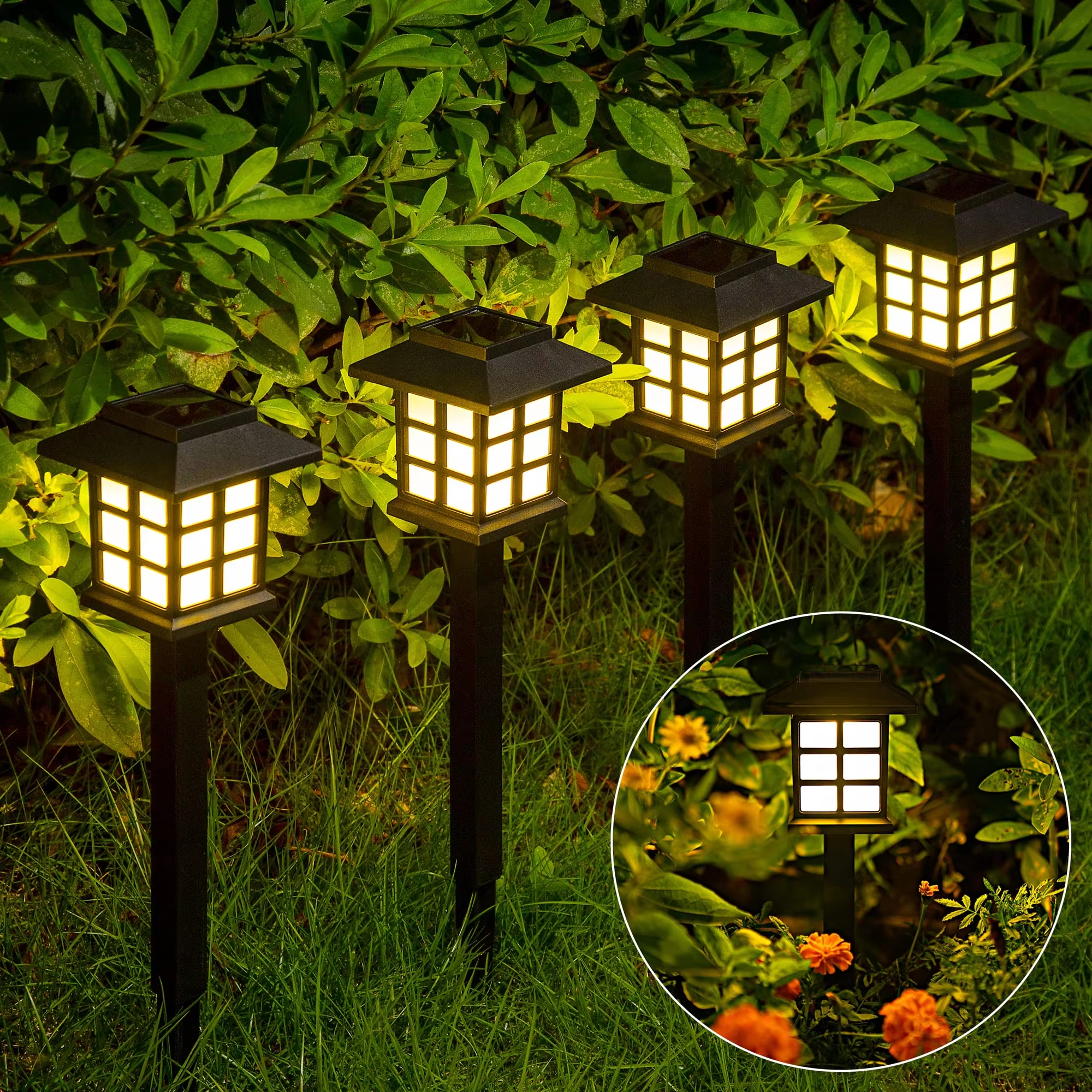
Η Περιβαλλοντική Επίπτωση του Ρατσάνου Λαμπτήρα Ηλιακού Φωτός και το Επιχείρημα για την Ανακυκλωσιμότητα
Κατανόηση του κύκλου ζωής των ηλιακών λαμπτήρων: Από την παραγωγή έως τη διάθεση
Ο κύκλος ζωής των φαναριών ηλιακού φωτισμού που κατασκευάζονται από ρατσάν διέρχεται βασικά από τρία κύρια στάδια: την παραγωγή τους, τη διάρκεια χρήσης τους από τους ανθρώπους και το τι συμβαίνει στο τέλος της διάρκειας ζωής τους. Ο ίδιος ο ρατσάν μπορεί να αναπαραχθεί και τελικά να αποδομηθεί φυσικά, αλλά τα μικρά ηλεκτρονικά εξαρτήματα μέσα διηγούνται μια διαφορετική ιστορία. Μιλάμε για ηλιακά πάνελ, μπαταρίες λιθίου και διάφορα κυκλώματα. Σύμφωνα με το περιοδικό Renewables Journal του περασμένου έτους, αυτά τα εξαρτήματα αποτελούν περίπου τα δύο τρίτα του συνολικού περιβαλλοντικού αντίκτυπου του προϊόντος. Η παραγωγή μόνο ενός τέτοιου φαναριού εκπέμπει περίπου 23 κιλά διοξειδίου του άνθρακα. Για να το δούμε από μια άλλη σκοπιά, είναι σχεδόν όπως να πατήσεις γκάζι για σχεδόν 100 χιλιόμετρα με ένα συνηθισμένο αυτοκίνητο που καταναλώνει πολύ καύσιμο.
Οι ηλιακοί λαμπτήρες διαρκούν συνήθως περίπου πέντε έως επτά χρόνια πριν σταματήσουν να λειτουργούν σωστά, αλλά το τι συμβαίνει μετά από αυτό παραμένει ένα μεγάλο πρόβλημα. Οι περισσότεροι άνθρωποι απλώς τους πετάνε όταν χαλάσουν. Στατιστικά στοιχεία δείχνουν κάτι τρομακτικό: περίπου το 60 τοις εκατό αυτών των παλιών λαμπτήρων καταλήγει σε χώρους υγειονομικής ταφής, επειδή δεν υπάρχουν αρκετοί χώροι για να ανακυκλωθούν σωστά. Και αυτό δεν είναι καλά νέα για το περιβάλλον. Μέσα σε αυτές τις χαλασμένες συσκευές υπάρχουν επικίνδυνα υλικά, όπως κολλητικό μόλυβδο και μπαταρίες ιόντων λιθίου, τα οποία μπορούν σταδιακά να διεισδύσουν στο έδαφος και στις υδροφόρες στάθμες με την πάροδο του χρόνου. Η ειρωνεία εδώ είναι αρκετά προφανής. Αγοράζουμε αυτές τις συσκευές νομίζοντας ότι βοηθούν να σωθεί ο πλανήτης, αλλά η λανθασμένη διάθεσή τους τελικά τον βλάπτει.
Πώς η επιλογή υλικών επηρεάζει την περιβαλλοντική βιωσιμότητα στον ηλιακό φωτισμό
Η επιλογή υλικών καθορίζει άμεσα τα περιβαλλοντικά αποτελέσματα σε κάθε στάδιο, ειδικά κατά τη διάθεση.
| Υλικό | Χρόνος Διάσπασης | Ανακυκλώσιμη |
|---|---|---|
| Φυσικό rattan | 2–5 χρόνια | 92% |
| Ανακυκλωμένο πλαστικό | 450+ χρόνια | 34% |
| Σύνθετης καλαμωτής | 300+ χρόνια | 12% |
Ενώ το φυσικό ρατσάν αποδομείται σχετικά γρήγορα, πολλοί κατασκευαστές εφαρμόζουν υδατοαπωθητικά επιστρώματα πολυουρίανθανης που μειώνουν τη δυνατότητα κομποστοποίησής του έως και 80%. Αυτά τα επιστρώματα εμποδίζουν τη βιομηχανική κομποστοποίηση και υπονομεύουν τα οικολογικά οφέλη του υλικού, θολώνοντας τη γραμμή μεταξύ πράσινης διαφήμισης και πραγματικής βιωσιμότητας.
Πράσινες δηλώσεις έναντι πραγματικότητας: Αξιολόγηση του αντικτύπου στο τέλος του κύκλου ζωής «φιλικών προς το περιβάλλον» ηλιακών λαμπτήρων
Σύμφωνα με έλεγχο του 2023, περίπου τα τρία τέταρτα των ηλιακών φαναλίων που έχουν χαρακτηριστεί βιώσιμα έχουν μέσα τους μικτά υλικά που δεν χωρίζονται σωστά για ανακύκλωση. Το γυαλί από τα ίδια τα ηλιακά πάνελ είναι τεχνικά 95% ανακυκλώσιμο, αλλά στην πράξη αυτό που συμβαίνει είναι οι κατασκευαστές να τα συνθλίβουν μαζί με όλα τα είδη πλαστικών που δεν μπορούν να ανακυκλωθούν καθόλου κατά τη διάρκεια της επεξεργασίας. Αυτό κάνει ολόκληρη τη διαδικασία ανακύκλωσης αρκετά αναποτελεσματική. Υπάρχει ελπίδα όμως με αυτά τα μονωτικά σχέδια που έρχονται. Όταν τα φανάρια κατασκευάζονται με ξεχωριστά μέρη όπως πλαίσια από ράταν, ηλεκτρονικά και μεταλλικά κομμάτια που χωρίζονται εύκολα, βλέπουμε πολύ καλύτερα αποτελέσματα. Τα ποσοστά ανάκτησης αυξάνονται στο 79% σύμφωνα με την ανασκόπηση Circular Tech πέρυσι, συν κάθε μονάδα εξοικονομεί περίπου δεκαοκτώ δολάρια σε κόστη ανακύκλωσης. Αν οι εταιρείες δεν αρχίσουν να υιοθετούν αυτή την προσέγγιση ευρέως σύντομα, η πράσινη φήμη που συνδέεται με αυτούς τους ηλιακούς φανούς μπορεί να εξασθενήσει γρήγορα καθώς τα ηλεκτρονικά απόβλητα συνεχίζουν να αυξάνονται σε ένα μεγαλύτερο πρόβλημα κάθε μέρα.
Είναι πραγματικά βιώσιμο το ρούσχο; Αξιολόγηση επιλογών υλικών στο σχεδιασμό λαμπτήρων με ηλιακή ενέργεια
Η δημοτικότητα του φανάρι με ηλιακή ενέργεια από ratan έχει εντατικοποιήσει την εξέταση για το κατά πόσο το ρούσχο δικαιολογεί τους ισχυρισμούς βιωσιμότητας. Η αληθινή αξιολόγηση απαιτεί την εκτίμηση της βιοαποδομησιμότητας, της ηθικής προμήθειας και της απόδοσης σε όλο τον κύκλο ζωής σε σύγκριση με συνθετικές εναλλακτικές.
Βιοαποδομησιμότητα και ηθική πτυχή της προμήθειας ρούσχου σε προϊόντα φωτισμού
Η βιομηχανική κομποστοποίηση μπορεί να αποσυνθέσει το ρατσάν σε περίπου 2 έως 3 χρόνια, σύμφωνα με έρευνα που δημοσιεύθηκε στο περιοδικό Eco Materials Journal πέρυσι. Αυτό είναι αρκετά γρήγορο σε σύγκριση με τα πλαστικά, τα οποία χρειάζονται εκατοντάδες χρόνια για να αποσυντεθούν. Ωστόσο, υπάρχει ένα «αλλά». Η πραγματική περιβαλλοντική αξία εξαρτάται από τον τρόπο με τον οποίο συλλέγεται το ρατσάν. Όταν οι εταιρείες προμηθεύονται ρατσάν ηθικά από δάση πιστοποιημένα από το Forest Stewardship Council, συμβάλλουν πραγματικά στην προστασία της βιοποικιλότητας, ενώ υποστηρίζουν κοινότητες που εξαρτώνται από αυτούς τους πόρους. Οι περισσότεροι παραγωγοί παγκοσμίως επίσης συμμετέχουν, με σχεδόν 8 στους 10 να ακολουθούν αυτές τις βιώσιμες πρακτικές, όπως αναφέρεται στην Έκθεση Παγκόσμιας Βιωσιμότητας για το 2023.
Οι πολύφωτοι από ρατσάν ως βιώσιμες λύσεις: Μύθος ή μετρήσιμο όφελος;
Η ανάλυση του κύκλου ζωής δείχνει ότι οι ηλιακοί φακοί με συστατικά ρατσάν έχουν κατά 62% μικρότερο αποτύπωμα άνθρακα σε σύγκριση με τα πλαστικά αντίστοιχα, όταν ληφθούν υπόψη όλοι οι κύκλοι παραγωγής και διάθεσης. Ωστόσο, η διαφάνεια της εφοδιαστικής αλυσίδας παραμένει πρόκληση—το 35% του ρατσάν προέρχεται ακόμα από μη πιστοποιημένες πηγές ( Τετραμηνιαία Έκδοση Καθαρής Ενέργειας , 2023)—υπονομεύοντας τις προσπάθειες για διασφάλιση συνεπούς βιωσιμότητας.
Σημείο Δεδομένων: Ρυθμοί διάσπασης ρατσάν έναντι συνθετικών υλικών
| Υλικό | Χρόνος Διάσπασης | Πηγή |
|---|---|---|
| Ρατάνι | 2-3 Έτη | Ανάλυση GreenTech 2023 |
| Plastic hdpe | 500+ χρόνια | Επιθεώρηση Επιστήμης Πολυμερών |
| Σύνθετο υλικό από μπαμπού | 8-10 Ετών | Βιώσιμα Υλικά 2023 |
Αυτά τα στοιχεία επισημαίνουν το πλεονέκτημα του ρατσάν σε κυκλικά συστήματα, ιδιαίτερα λαμβάνοντας υπόψη ότι το 68% των χρηστών ηλιακού φωτισμού δίνει προτεραιότητα στην ανακυκλωσιμότητα στο τέλος του κύκλου ζωής ( έρευνα Βιωσιμότητας Καταναλωτών 2023 ).
Σχεδιασμός Ηλιακών Φακών Ρατσάν για Αποσυναρμολόγηση και Ανακύκλωση
Κύρια Συστατικά που Επηρεάζουν την Ανακυκλωσιμότητα σε Ηλιακούς Φακούς Ρατσάν
Όταν πρόκειται για το τι κάνει κάτι ανακυκλώσιμο, υπάρχουν βασικά τέσσερα κύρια μέρη που πρέπει να εξετάσουμε: τα ηλιακά κελιά που μετατρέπουν το φως σε ηλεκτρική ενέργεια, όλες τις ηλεκτρικές συνδέσεις, τις ίδιες τις μπαταρίες και τέλος το πλαίσιο από ρατσάν που κρατάει όλα τα υπόλοιπα μαζί. Για τις πάνελ κρυσταλλικού πυριτίου, απαιτούνται ειδικές διαδικασίες ανακύκλωσης απλώς και μόνο για να ανακτηθεί περίπου το 95% αυτών των πολύτιμων ημιαγωγών υλικών. Και ας μην ξεχνάμε ούτε τις μπαταρίες ιόντων λιθίου· χρειάζονται επιπλέον προσοχή κατά τη διάθεσή τους, διαφορετικά κινδυνεύουμε να διασπείρουμε βαρέα μέταλλα παντού. Σύμφωνα με έρευνα του Ινστιτούτου Βιοαποδόμησης του 2023, το ρατσάν διασπάται αρκετά γρήγορα σε σύγκριση με τις επικαλύψεις PVC, αλλά υπάρχει ένα πρόβλημα: όταν διαφορετικά υλικά ενώνονται μεταξύ τους με ισχυρές κόλλες, η αποσυναρμολόγηση γίνεται εφιάλτης και η ανακύκλωση δεν αξίζει πια τον κόπο.
Εξισορρόπηση Αντοχής, Αισθητικής και Ευκολίας Αποσυναρμολόγησης
Οι σχεδιαστές βελτιώνουν την ανακυκλωσιμότητα χωρίς να θυσιάζουν τη λειτουργικότητα μέσω:
- Μοντουλωτοί Συνδετήρες : Οι συνδέσεις πίεσης αντικαθιστούν τις μόνιμες κόλλες, βελτιώνοντας την ταχύτητα αποσυναρμολόγησης κατά 40%
- Τυποποιημένα εξαρτήματα στερέωσης : Οι βίδες Phillips αντέχουν καλύτερα στις εξωτερικές συνθήκες από τα διακοσμητικά καρφιά και επιτρέπουν το διαχωρισμό των εξαρτημάτων με τη βοήθεια εργαλείων
- Προστατευτικά Τελικά : Οι βερνίκες με βάση το νερό διατηρούν την εμφάνιση του ρατσάν χωρίς να εισάγουν ρύπους που δυσχεραίνουν την θρυμμάτιση ή την κομποστοποίηση
Καινοτόμες Στρατηγικές Σχεδιασμού Που Ενσωματώνουν Ανακυκλώσιμα Υλικά Χωρίς Παραχώρηση
Πολλές προοδευτικές εταιρείες στον τομέα της βιομηχανίας έχουν ήδη αρχίσει να μεταβαίνουν σε πίσω επιφάνειες μονοϋλικού για τις ηλιακές τους πλάκες. Αυτή η αλλαγή εξαλείφει τα ενοχλητικά πλαστικά επιστρώματα που καθιστούν την ανακύκλωση πολύ πιο δύσκολη. Παράλληλα, έχουν σημειωθεί ενδιαφέροντα επιτεύγματα και στον τρόπο με τον οποίο αντιμετωπίζουμε τα υλικά ρατσάν. Αντί να βασίζονται σε παραδοσιακά συνθετικά στεγανωτικά, οι κατασκευαστές εφαρμόζουν πλέον φυτικές ρητίνες που αντέχουν καλύτερα στη ζημιά από την υγρασία. Και ας μην ξεχνάμε το μόνωμα των καλωδίων από κυτταρίνη. Σε αντίθεση με τα συνηθισμένα πλαστικά επικαλύμματα που παραμένουν στους χώρους υγειονομικής ταφής για αιώνες, αυτό το υλικό διασπάται φυσικά εντός μόλις 18 μηνών από τη στιγμή που απορρίπτεται. Όλες αυτές οι βελτιώσεις σημαίνουν ότι τα προϊόντα διαρκούν περισσότερο, αλλά ταιριάζουν επίσης άψογα στην αυξανόμενη εστίασή μας στην κυκλική οικονομία, όπου τίποτα δεν πηγαίνει στα σκουπίδια.
Κυκλική Οικονομία στον Ηλιακό Φωτισμό: Καλύτερες Πρακτικές για Σχεδιασμό με Ανακυκλώσιμα Υλικά
Βασικές αρχές ανακυκλωσιμότητας σε καταναλωτικά προϊόντα ανανεώσιμης ενέργειας
Η αποτελεσματική ανακύκλωση του ρατσάν σε φανάρια ηλιακού φωτισμού εξαρτάται από τρεις σχεδιαστικές προϋποθέσεις: μοντουλαρική αρχιτεκτονική, τυποποιημένες ροές υλικών και προσβάσιμες οδηγίες αποσυναρμολόγησης. Έρευνα του 2024 δείχνει ότι τα προϊόντα που σχεδιάζονται για αποσυναρμολόγηση μειώνουν τα απορρίμματα σε χώρους υγειονομικής ταφής κατά 63% σε σύγκριση με τα παραδοσιακά μοντέλα. Η προτεραιοποίηση υψηλού περιεχομένου ρατσάν (≥80%) επιτρέπει αποτελεσματική επανεπεξεργασία χωρίς θυσία της δομικής ακεραιότητας.
Μελέτη περίπτωσης: Επιτυχημένες μάρκες που εφαρμόζουν σχέδια ανακυκλώσιμου ρατσάν για φανάρια ηλιακού φωτισμού
Ορισμένοι από τους κορυφαίους κατασκευαστές καταφέρνουν τώρα να ανακτούν το 92% των υλικών όταν χρησιμοποιούν βιοαποικοδομήσιμες κόλλες και εξαρτήματα με σύστημα click-fit, αντί για παραδοσιακές μεθόδους που ανακτούν μόνο το 48%. Πάρτε για παράδειγμα μια εταιρεία στην Ευρώπη. Αντικατέστησε όλα τα παλιά σύρματα με μόνωση PVC με αυτά τα εντυπωσιακά πλεξούδα καλώδια από ρατσάν. Αυτή η απλή αλλαγή μόνο μείωσε τις εκπομπές της κατά 12 μετρικούς τόνους ετησίως. Αρκετά εντυπωσιακό πραγματικά. Αυτό δείχνει ότι η αλλαγή των υλικών που χρησιμοποιούνται στα προϊόντα δεν βοηθά μόνο στους δείκτες ανακύκλωσης, αλλά μειώνει ταυτόχρονα και τα αέρια του θερμοκηπίου. Βγάζει νόημα όταν το σκεφτεί κανείς.
Τάση: Υιοθέτηση μοντέλων κυκλικής οικονομίας στις βιώσιμες εφοδιαστικές αλυσίδες φωτισμού B2B
Σύμφωνα με την Έκθεση για το Κυκλικό Φωτισμό από πέρυσι, περίπου το 74% των εταιρειών που αγοράζουν είδη για γραφεία και καταστήματα ζητά να δοθεί απόδειξη ότι τα προϊόντα μπορούν να ανακυκλωθούν πριν υπογράψουν οποιαδήποτε συμφωνία. Οι μεγάλοι προμηθευτές ξεκινούν να διαθέτουν εκείνες τις μοντουλωτές εγκαταστάσεις από ρατσάν που πράγματι εντάσσονται σε τοπικά προγράμματα ανακύκλωσης, κάτι που τους εξοικονομεί μεταξύ 18 και 24 δολαρίων σε κάθε αντικείμενο όταν επαναχρησιμοποιούν εξαρτήματα αντί να απορρίπτουν τα πάντα. Αυτό που βλέπουμε εδώ είναι ότι οι επιχειρήσεις τελικά καταλαβαίνουν ότι το να είσαι πράσινος δεν έχει να κάνει μόνο με το πόσο διαρκεί ένα πράγμα, αλλά και με το τι συμβαίνει όταν αυτό φθαρεί στο τέλος του κύκλου ζωής του. Ωστόσο, κάποιοι ακόμη αγωνίζονται να εφαρμόσουν αυτό στην πράξη, ειδικά οι μικρότερες επιχειρήσεις χωρίς αφιερωμένες ομάδες βιωσιμότητας.
Πέρα από το Ρατσάν: Σύγκριση Φιλικών προς το Περιβάλλον Υλικών στον Φωτισμό με Ηλιακή Ενέργεια
Αξιολόγηση Μπαμπού, Ανακυκλωμένων Πλαστικών και Εναλλακτικών Φυσικών Ινών
Το ρατσάν αποκομίζει πολλή προσοχή, αλλά το μπαμπού είναι εξίσου ανθεκτικό ως προς την αντοχή, ενώ είναι πολύ καλύτερο για το περιβάλλον. Σύμφωνα με έρευνα του περιοδικού Circular Materials Journal του 2023, η παραγωγή μπαμπού εκπέμπει περίπου 30% λιγότερο CO2e ανά κιλό σε σύγκριση με το ρατσάν. Υπάρχει επίσης το ανακυκλωμένο πλαστικό, όπως το rPET, το οποίο μειώνει τη χρήση νέων υλικών κατά περίπου 72%. Το μειονέκτημα; Αυτά τα υλικά παραμένουν στα χώματα απόρριψης για εξαιρετικά μεγάλο χρονικό διάστημα, μερικές φορές πάνω από 450 χρόνια. Κάποιες νεότερες εναλλακτικές λύσεις αρχίζουν επίσης να αποκτούν έδαφος. Οι ίνες κάνναβης και τα σύνθετα υλικά από κοτσάνι καρύδας μπορούν να αποσυντεθούν πλήρως στη φύση εντός δύο έως τριών ετών, χωρίς να χάνουν την αντοχή τους. Αυτό τα καθιστά αρκετά καλές επιλογές για προϊόντα όπως εξωτερικοί ηλιακοί φακοί, όπου έχουν σημασία τόσο η αντοχή όσο και η περιβαλλοντική επίπτωση.
Συγκριτική Ανάλυση: Βιωσιμότητα, Κόστος και Ανακυκλωσιμότητα Διαφόρων Υλικών
Η επιλογή υλικού επηρεάζει σημαντικά τόσο το περιβαλλοντικό αποτύπωμα όσο και την οικονομική βιωσιμότητα. Ο παρακάτω πίνακας περιλαμβάνει τα βασικά μετρήσιμα στοιχεία:
| Υλικό | Ενσωματωμένος Άνθρακας (kg CO2e/kg) | Χρόνος Διάσπασης | Ποσοστό ανακύκλωσης |
|---|---|---|---|
| Ρατάνι | 1.8 | 8-10 Ετών | 12% |
| Μπαμπού | 1.2 | 2-3 Έτη | 94% (βιομηχανικός) |
| Ανακυκλωμένο πλαστικό PET | 0.9 | 450+ χρόνια | 87% |
| Σύνθετο υλικό από ίνες κάνναβης | 0.7 | 1-2 χρόνια | 100% (υπόκλινο) |
Το κάνναβης έχει σίγουρα καλύτερα περιβαλλοντικά χαρακτηριστικά από πολλές εναλλακτικές, αλλά απλώς δεν διαθέτουμε αρκετές βιομηχανικές εγκαταστάσεις κομποστοποίησης για να αντιμετωπίσουμε λειτουργίες μεγάλης κλίμακας αυτή τη στιγμή. Το μπαμπού είναι ένα άλλο δύσκολο υλικό επειδή αναπτύσσεται τόσο διαφορετικά ανάλογα με την περιοχή, κάνοντας δύσκολο τον έλεγχο της συνέχειας της ποιότητας όταν παράγονται είδη σε μεγάλη κλίμακα. Η εξέταση του κόστους αποκαλύπτει επίσης μέρος της ιστορίας. Το ανακυκλωμένο πλαστικό εξακολουθεί να είναι φθηνότερο, περίπου 2,10 $ ανά κιλό, σε σύγκριση με την τιμή των 3,40 $ ανά κιλό για το μπαμπού. Ωστόσο, το κατά πόσο τα ανακυκλωμένα πλαστικά λειτουργούν καλά με την πάροδο του χρόνου εξαρτάται πραγματικά από το πώς οι εταιρείες σχεδιάζουν προϊόντα από αυτά. Καλά σχέδια περιλαμβάνουν πράγματα όπως μοντουλαριστά εξαρτήματα που μπορούν να αντικατασταθούν αντί να πετιούνται ολόκληρα τα προϊόντα, καθώς και κατάλληλα συστήματα επιστροφής, όπου οι πελάτες επιστρέφουν τα παλιά προϊόντα για ανακύκλωση αντί να καταλήξουν σε χώρους υγειονομικής ταφής.
Συχνές Ερωτήσεις
Ποια είναι η κύρια περιβαλλοντική ανησυχία σχετικά με τα ηλιακά φανάρια φτιαγμένα από ρατάν;
Το μεγαλύτερο περιβαλλοντικό πρόβλημα που αντιμετωπίζουν οι ηλιακοί φανοί από ράταν είναι η ακατάλληλη διάθεση ηλεκτρονικών εξαρτημάτων, όπως ηλιακοί συλλέκτες και μπαταρίες λιθίου, οι οποίες μπορούν να οδηγήσουν σε ρύπανση.
Είναι οι ηλιακοί φανοί με ράταν πραγματικά φιλικοί προς το περιβάλλον;
Τα ηλιακά φανάρια με ράταν μπορούν να είναι φιλικά προς το περιβάλλον όταν προέρχονται από ηθικές πηγές και σχεδιάζονται για αποσυναρμολόγηση. Ωστόσο, συχνά περιέχουν μικτά υλικά που δυσχεραίνουν την ανακύκλωση.
Πώς μπορούν οι ηλιακοί φανοί να βελτιώσουν την ανακυκλώσιμότητά τους;
Με τη θέσπιση μοντελοποιημένων σχεδίων, τυποποιημένων υλικών και με σαφείς οδηγίες αποσυναρμολόγησης, τα ηλιακά φανάρια μπορούν να βελτιώσουν σημαντικά την ανακυκλώσιμότητά τους.
Ποιο υλικό είναι πιο βιώσιμο, το ράταν ή το μπαμπού;
Ενώ το ράταν χρησιμοποιείται ευρέως λόγω της βιοαποδομικότητάς του, το μπαμπού προσφέρει χαμηλότερες εκπομπές διοξειδίου του άνθρακα και υψηλότερη ανακυκλώσιμη ικανότητα, καθιστώντας το ισχυρό ανταγωνιστή σε βιώσιμα σχέδια.
Πίνακας Περιεχομένων
-
Η Περιβαλλοντική Επίπτωση του Ρατσάνου Λαμπτήρα Ηλιακού Φωτός και το Επιχείρημα για την Ανακυκλωσιμότητα
- Κατανόηση του κύκλου ζωής των ηλιακών λαμπτήρων: Από την παραγωγή έως τη διάθεση
- Πώς η επιλογή υλικών επηρεάζει την περιβαλλοντική βιωσιμότητα στον ηλιακό φωτισμό
- Πράσινες δηλώσεις έναντι πραγματικότητας: Αξιολόγηση του αντικτύπου στο τέλος του κύκλου ζωής «φιλικών προς το περιβάλλον» ηλιακών λαμπτήρων
- Είναι πραγματικά βιώσιμο το ρούσχο; Αξιολόγηση επιλογών υλικών στο σχεδιασμό λαμπτήρων με ηλιακή ενέργεια
- Σχεδιασμός Ηλιακών Φακών Ρατσάν για Αποσυναρμολόγηση και Ανακύκλωση
- Κυκλική Οικονομία στον Ηλιακό Φωτισμό: Καλύτερες Πρακτικές για Σχεδιασμό με Ανακυκλώσιμα Υλικά
- Πέρα από το Ρατσάν: Σύγκριση Φιλικών προς το Περιβάλλον Υλικών στον Φωτισμό με Ηλιακή Ενέργεια
- Συχνές Ερωτήσεις